Alicia Perkins on Hannah Kelley
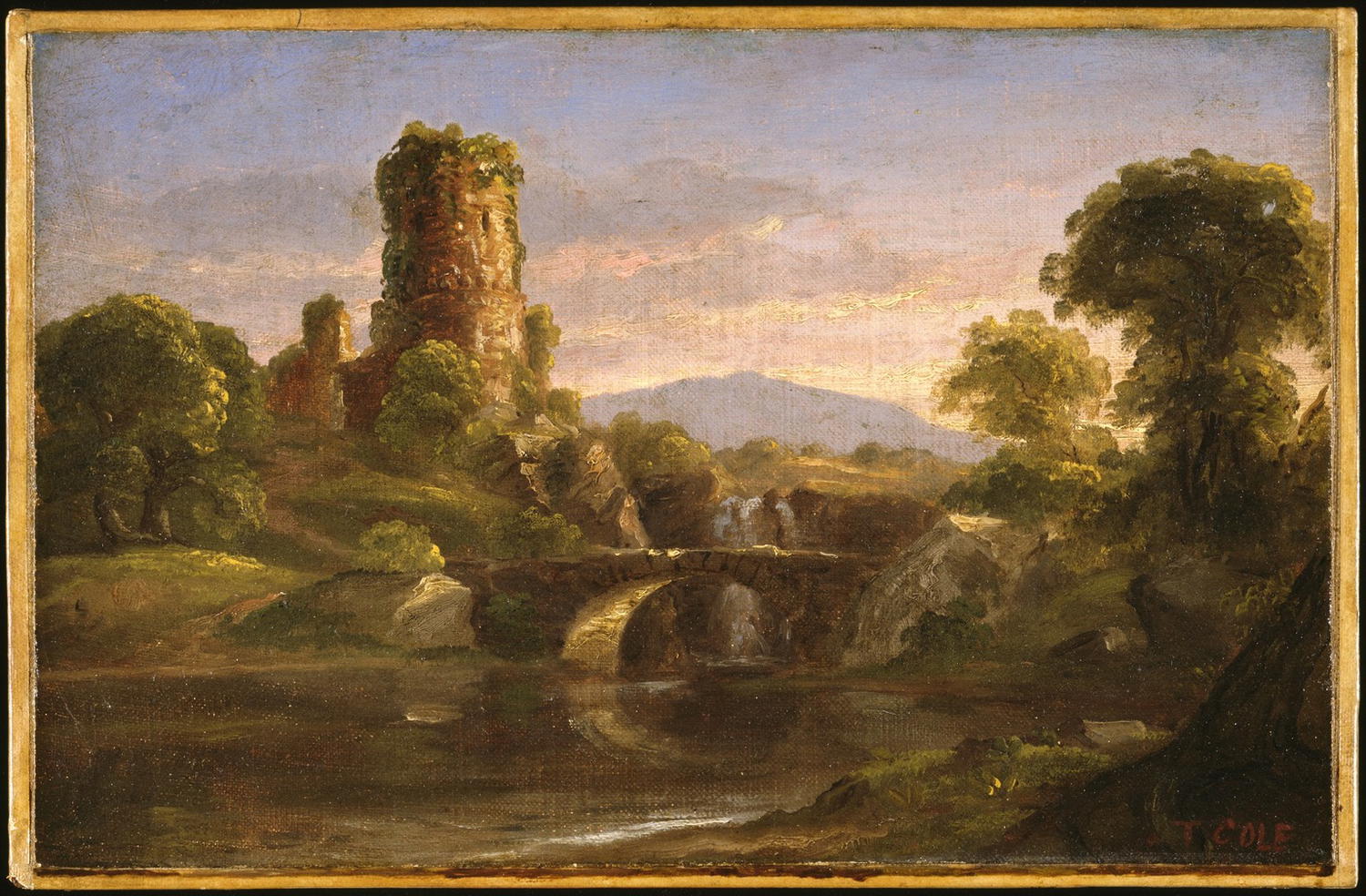
Driving up I-70 out of the nook of Maryland and into Pennsylvania, Breezewood is the next stop, the official landmark for our trip. As the Pennsylvania Turnpike winds on, I spot the abandoned stone steps from a church long gone and take in the beautiful mountain landscapes that look like they could have been painted by Thomas Cole.
The 84 Lumber sign appears on the left as I exit onto Route 519 into Little Washington, cascading down into the valley toward the massive site of Canonsburg High. Just the sight of the school brings back the mornings on Elm Street, waking up in my great-aunt's house, feeling the crisp cool breeze from the cracked window, and listening to the rhythmic sputter of bus engines echoing back as they strained to climb that steep hill. With every turn of the gear shift, the memories come rushing back. Diving further into my memories, the bronze statue of Perry Como stands in the center of town, and the sweet, familiar sight of Sarris Candies comes into frame. Against the clear view of a burnt orange sunset, the haunting sound of the curfew siren pierces through the air, signaling the day's end.
Welcome to Canonsburg.
On Elm Street on the porch of my aunt's house, the evergreen awning veils the beams of sunshine as I sit. I spot the lonely hollow patch of earth across the street where a house once stood before it was burned down. A choir of laughter brings me back, as I join in the harmony of my family. I sat quietly in the background, a sponge absorbing as many of the stories as I could. These stories have been the focal point of my life and have carried me through into adulthood.
During my childhood, my family and I would travel to Canonsburg, our "home base," for holidays and summer trips. Family was especially important to us. My earliest memories are of traveling from my great-aunts' houses to my great-uncles' houses until we would always end up on a porch together, reminiscing and sharing memories.
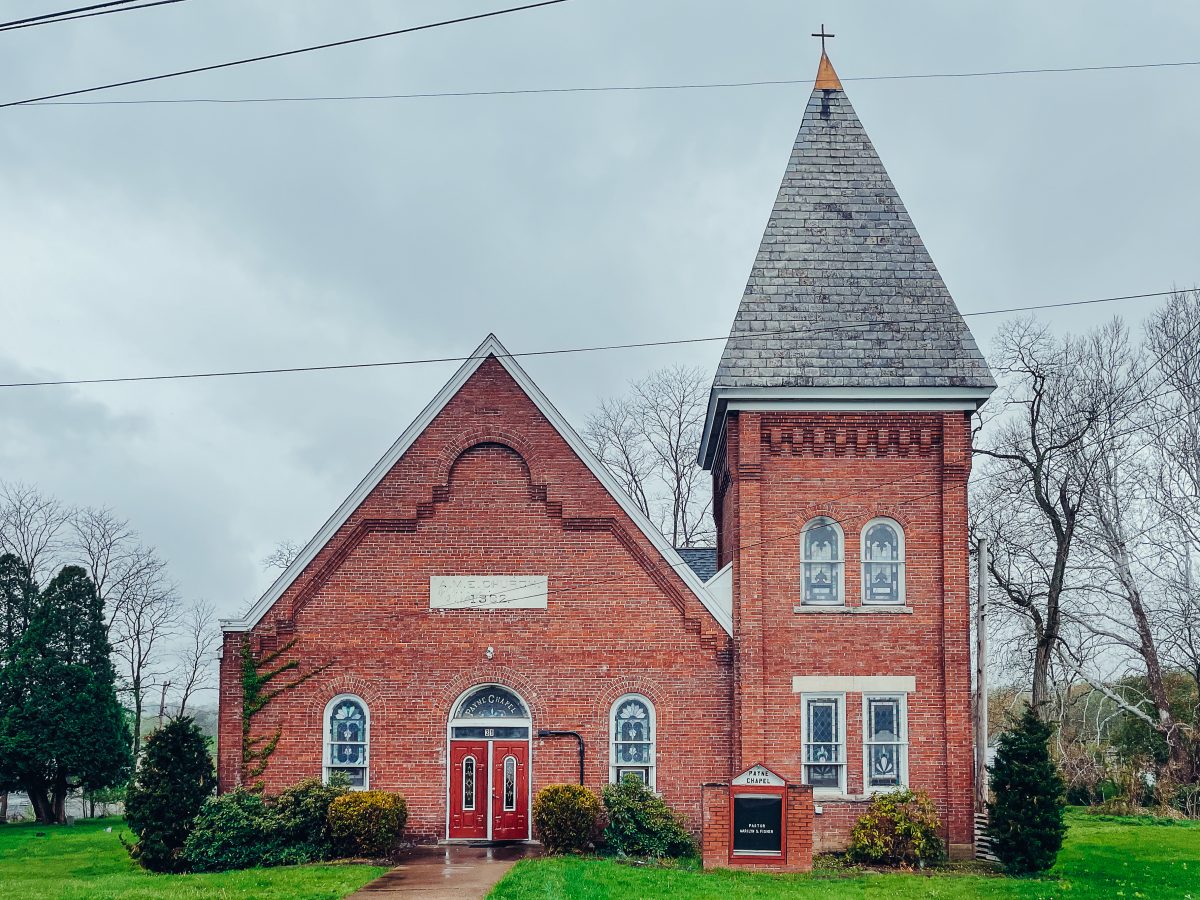
On Sundays, while in Canonsburg, we would attend Payne African Methodist Episcopal (AME) Church, one of the first Black churches established in Washington County, Pennsylvania. When you first stepped inside the beautifully built church, you saw a panel of hardwood vaulted into a steepled roof, stretching from floor to ceiling, and soft, pillowy velvet red pews. The sun streamed through the stained-glass windows, creating a kaleidoscopic display on the sides of the church. Founded in the early 1820s by formerly enslaved and free African Americans, the church had long stood as a cornerstone of the Black community in the town. Among its founding members was one of my own ancestors, Rueben Walls. It was there that my love for history began.
After the service, I walked along the graveyard with my uncle and grandmother, dandelions scattered across the grounds, kissing the weathered gravestones. With each passing headstone, an air of curiosity built within me. What stories lay beneath the solemn earth? Who was buried within this sacred space? Within the confines of this small cemetery lay, I would later learn, many distinguished individuals, from an Underground Railroad conductor leading enslaved people to freedom, to Civil War soldiers who fought for that freedom. As we walked deeper into the tangled paths of the cemetery, I could not help but wonder what had happened to these people and why they were laid to rest here. I needed to know more, so I asked my grandmother.
My paternal grandmother, Arlene Alma Perkins (Thomas), was born and raised in Canonsburg, and was the oldest of five. The matriarch of our family, she married my grandfather, Roscoe C. Perkins, and raised five children. She had the gift of gab and could approach just about anyone and strike up a conversation. At every family function, my grandmother documented the moment with a disposable camera. If you wanted to know something, she had all the information stored in her memory and pictures to support it. Each photo revealed a glimpse of happy moments from the past, smiles and laughter filling the pages of the albums she kept. She sprinkled me with knowledge throughout the years, so I could use it to grow our family tree. I planted the roots of the family on Ancestry.com, and eventually it grew to over 750 members.
It has been more than twenty years since I began charting the journey of exploring my family tree. I was fifteen years old when my story began at the National Archives. As I stepped into the dimly lit hall of the top-floor rotunda, the Constitution, the Bill of Rights, and the Declaration of Independence were on display beneath murals of the Founding Fathers watching over them. These documents helped build a nation, and in the same building, millions of records are preserved to help piece together the stories of American families.
After signing in, I was led to a large white room where other researchers worked at the steady pace of a busy workroom. I immediately felt comfortable. Even though everyone in the room had their own agenda, there was a quiet sense of collaboration. The research process is very much like being in a library. First, you locate the microfilm you are searching for. Then you load it into the reader and begin the careful process of scanning through the past. As I turned the wheel of the microfilm reader, each rotation felt like traveling backward in time.
As my family is African American, I knew I would eventually hit the inevitable roadblock of slavery, and I would not be able to continue my research beyond that. Even so, I wanted to see how far back I could go. I wanted to dive deeper into my grandmother's side of the family. I followed the path from my grandmother, Arlene Perkins, to her mother, Edna Walls; to her mother, Anna Kelley; to her father, Charles Kelley; to his father, Tobias Kelley; and finally, to Hannah Kelley.
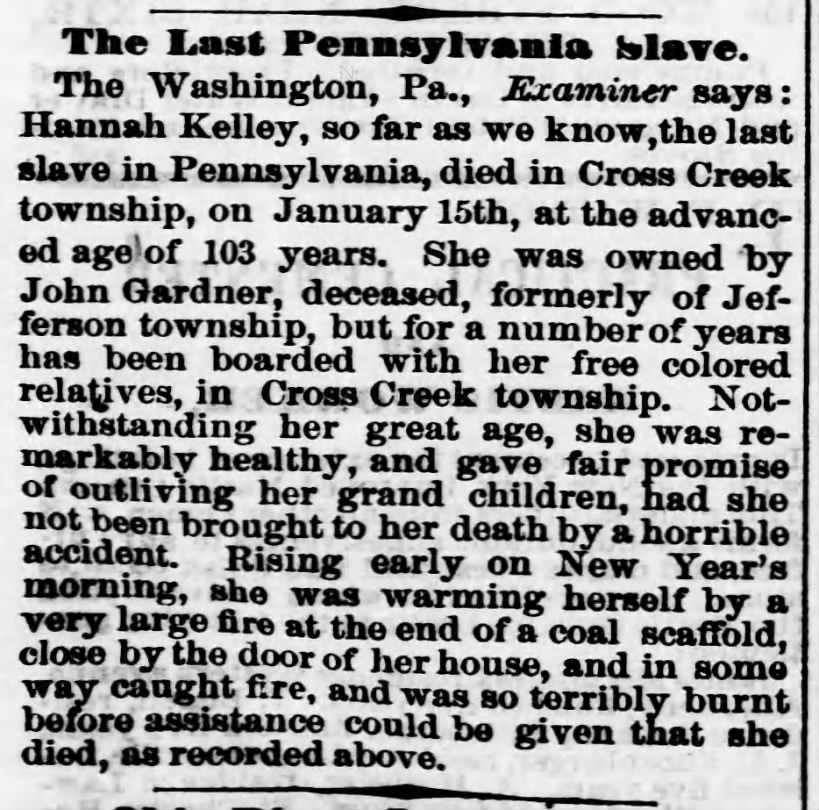
Hannah Kelley is believed to be one of the last enslaved persons in Pennsylvania. In 1780, Pennsylvania passed "An Act for the Gradual Abolition of Slavery." This law stated that any slave born before 1780 would be enslaved for life. She was born in Africa, survived the Middle Passage journey, was sold into slavery in Virginia, and later sold to a merchant, John Elliot, in Pittsburgh. (She may have been registered as property by another member of the Elliot family.) When John Elliot passed away, Hannah was sold to John Gardner of Washington County, Pennsylvania, where her family would continue to settle for many generations. She tragically passed away at the age of 103.
Finding Hannah felt like finally reaching the end of the long road I started as a fifteen-year-old at the National Archives. She was the beginning of my family's story in America—my direct connection to Africa. It takes monumental strength to survive the harsh journey across the Atlantic at just three years old and to live beyond 100, a strength I now recognize as the backbone of our family, paving the way for a line of strong men and women.
As I wander through the nostalgic layers of my mind, memories of Canonsburg come flooding back. With a different purview, refined by the years, beyond the rustic red sunset, I yield to the sound of the curfew siren that tears through the night air, signaling my day's end. I stand alone, absorbing the whispered memories of my family long gone. Standing on the same soil as my ancestors, I realize that Hannah Kelley was the thread that bound us all, a thread woven far beyond the confines of Pennsylvania and beyond slavery itself. It continued through every generation that followed, through my grandmother, my father, through me, and will carry forward through my children. One woman's journey wove together generations of her family, and as long as I continue to share it, her journey will never end.
Alicia M. Perkins was born in Washington, D.C. and raised in Northern Virginia. She is a wife, stay-at-home mother of two, devoted reader, and creative home cook and baker with a lifelong love of animals. She graduated from Towson University with a degree in Criminal Justice and worked for several years as the Missing Persons Case Coordinator for the Doe Network, where she also helped build the organization's social media presence and played a key role in improving its digital case management tools.